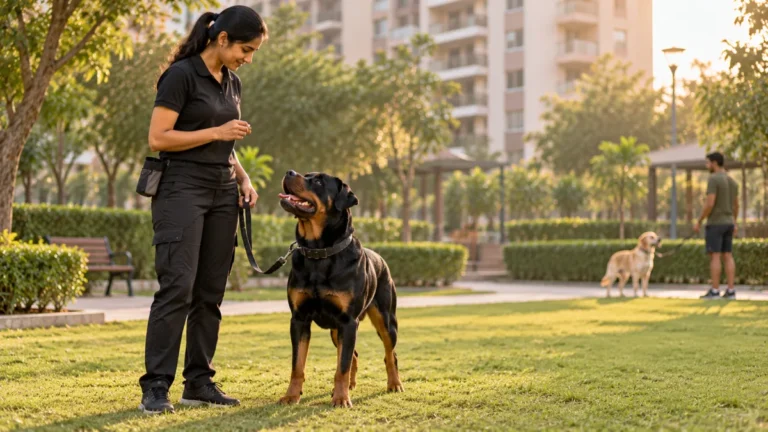
Dog Training Guide: 6 Steps to a Happy, Well-Behaved Dog
A complete dog training guide: when to start, six steps to train at home, positive reinforcement training and how to fix common dog behaviour problems.

Quick answer
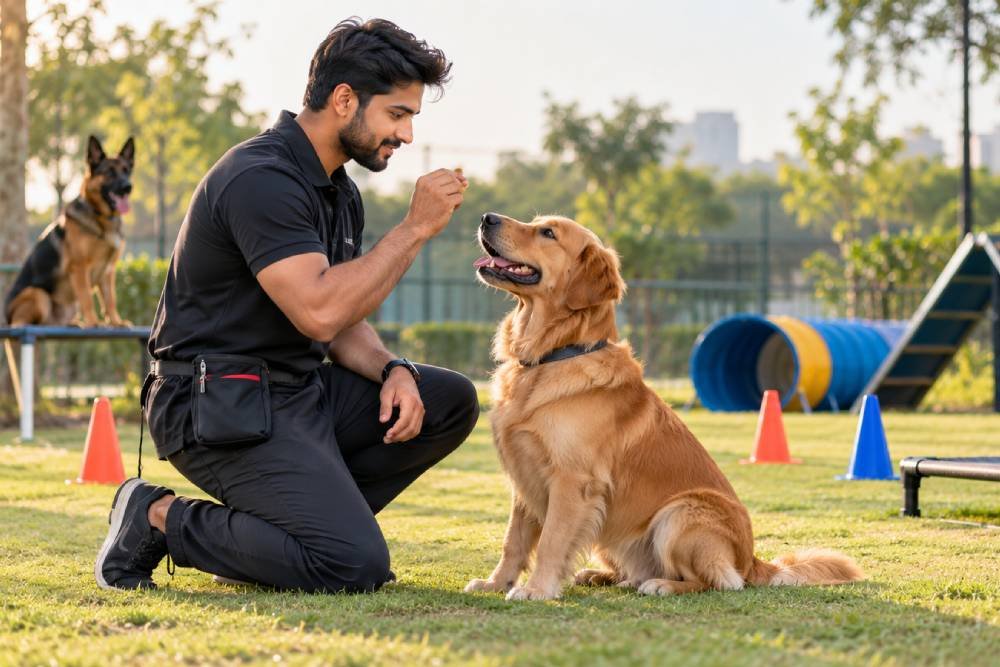
This dog training guide in one line: start the day your dog comes home, keep sessions short, reward the behaviour you want, practise the same cues every day and add distractions slowly. Puppies can begin at about 8 weeks, and adult and senior dogs can learn too. Use positive reinforcement training, not punishment.
Dog training is one of the most important parts of being a responsible pet parent. Whether you have a young puppy or an older dog, good training builds better behaviour, clearer communication and a stronger bond. A trained dog is easier to live with at home, more confident in public and calmer around people and other animals.
At OrigiZnPets, we believe every dog deserves patient, consistent guidance. This dog training guide brings together the dog training techniques our trainers use every day, so you can build practical habits that fit your family’s routine. If you are thinking about professional help, puppy training, obedience or fixing common dog behaviour problems, this is a solid place to start.
What Is Dog Training?
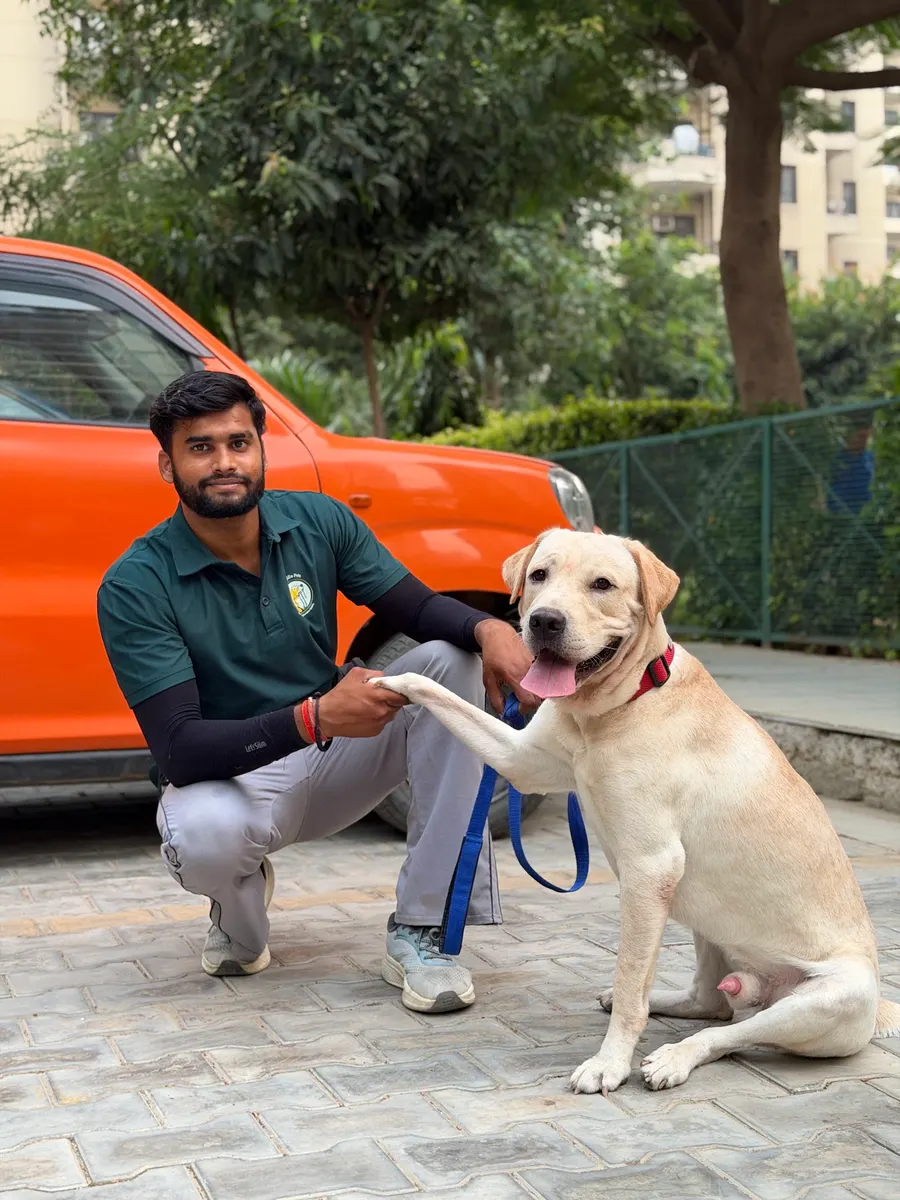
Dog training is the process of teaching a dog to understand cues, build good habits, respond well in different situations and behave safely around people and other animals. It can cover basic obedience, leash walking, potty training, socialisation, puppy manners, recall, impulse control and behaviour change.
Good training is not only about getting a dog to follow instructions. It is about trust, and about helping your dog understand what you expect in different places. A trained dog might sit before meals, walk calmly on a leash, come when called, stay relaxed when visitors arrive and settle comfortably at home.
The right plan depends on your dog’s age, breed, temperament, history and needs. That is why no single dog training guide can replace watching your own dog closely.
Why Dog Training Matters
Training helps dogs and their families in many ways. Start with simple habits and build up to harder exercises, and daily life gets easier and safer for everyone.
1. Better obedience and household manners
Cues like sit, stay, come, leave it and down help you guide your dog at home and outdoors. Consistent practice also teaches house rules and daily routines. See our list of basic dog commands to start.
2. Fewer dog behaviour problems
Excessive barking, jumping on guests, pulling on the leash, chewing and ignoring cues can wear any family down. Training looks for the reason behind each behaviour and teaches a better option, for example greeting visitors calmly instead of jumping up.
3. More confidence
Some dogs worry about strangers, loud noises, new places or other animals. Gradual exposure, rewards and patience help them feel safer. Training should never force a fearful dog into a situation they cannot cope with.
4. A stronger bond
Short, fun sessions give you and your dog a shared language. They build trust and make learning something your dog looks forward to.
5. Better safety
Recall, leave it and stay can help in risky moments. No cue is perfect in every situation, but steady practice makes your dog far more likely to respond.
When Should You Start? A Dog Training Guide by Age
One of the questions we hear most is: at what age can a dog start training? Training can begin as soon as a puppy comes home, usually at about 8 weeks, as long as the activities suit the puppy’s age.
Puppies
Puppies can learn their name, simple cues, gentle handling and potty routines. Keep sessions short and rewarding. Early socialisation matters too: introduce sounds, surfaces, people and places slowly and safely, and follow your vet’s advice on vaccinations. Our puppy training schedule by age shows what to teach each week.
Adult dogs
Adult dogs learn new cues and habits too. Even a dog with no formal training can improve communication, leash manners and everyday obedience with a structured plan.
Senior dogs
Older dogs benefit from training as well. Adjust exercises for mobility, hearing, eyesight, comfort and energy. No dog is too old to learn.

Types of Dog Training
Different dogs need different levels of help, so choosing the right type of training and the right dog training methods matters.
1. Basic obedience training
Basic obedience teaches everyday cues and simple instructions:
- Sit: helps your dog pause and settle.
- Stay: teaches your dog to hold a position until released.
- Come: brings your dog back when called.
- Down: teaches your dog to lie down.
- Leave it: helps your dog turn away from an object or distraction.
- Place: teaches your dog to settle on a mat or bed.
Practise one cue at a time and reward the behaviour you want. Our dog obedience training plan breaks this into six weeks.
2. Puppy training
Puppy training sets up good behaviour for life. It covers name recognition, potty routines, bite inhibition, crate or rest-area training, handling and early socialisation. Young puppies learn best with short sessions, frequent rewards, predictable routines and plenty of sleep. Read our full puppy training guide and how to stop puppy biting.
3. Leash training
Leash training helps your dog walk comfortably without pulling, lunging or dragging you. Start somewhere quiet with a well-fitted harness or collar and a secure leash, and reward your dog for staying close on a loose leash. If your dog pulls, stop or change direction when it is safe, then reward the moment the leash goes slack. Never jerk the leash or use equipment that causes pain. More in our leash training tips.
4. Toilet training
Take puppies to their toilet spot right after waking, eating, drinking and playing, and before bed. Reward them straight after they go in the right place. Keep a steady schedule and supervise indoors. If an accident happens, clean it thoroughly and do not punish your puppy, because punishment creates fear without teaching anything. Follow our guide on how to potty train a puppy.
5. Socialisation
Socialisation helps dogs feel at ease around people, animals, sounds, surfaces and daily life. The goal is not for your dog to greet everyone, but to stay comfortable and respond calmly. Use gradual exposure, a safe distance and rewards, and make things easier if your dog shows fear or stress. See our puppy socialisation tips.
6. Behaviour training
Behaviour training addresses excessive barking, jumping on guests, leash reactivity, separation distress, resource guarding and fear. The first step is finding out why the behaviour happens, since dogs bark from excitement, fear, frustration or to guard their space. Serious aggression, sudden changes in behaviour or suspected separation anxiety may need a vet check and a qualified behaviour professional. Read more about aggressive dog training and separation anxiety.
How to Train Your Dog at Home: 6 Steps
You can teach many basic behaviours at home with a simple, steady routine. These six steps are the core of this dog training guide.
Step 1: Pick a quiet training spot
All dog training techniques work best when you start somewhere with few distractions, such as a quiet room. As your dog improves, practise in new places.
Step 2: Use positive reinforcement training
Positive reinforcement training means rewarding a behaviour so it happens more often. Rewards can be small treats, praise, toys or play, whatever your dog loves most. When teaching sit, reward the moment your dog sits, and repeat until they understand which action earns the reward. Our guide to dog training treats helps you choose.
Step 3: Keep cues clear and consistent
Use the same word and hand signal for each behaviour, and ask everyone at home to do the same. Do not repeat a cue over and over. Give your dog a moment to respond, then make the exercise easier if needed.
Step 4: Keep sessions short
Several short sessions a day work better than one long one. For puppies and easily distracted dogs, start with just a few minutes. Finish on a success and let your dog rest.
Step 5: Raise the difficulty slowly
Once your dog knows a cue in a quiet room, practise with a few more distractions. Teach recall indoors before trying it in a secure outdoor area, use a long line where needed and never rely on recall near traffic. Our recall training steps explain how.
Step 6: Practise every day
Consistency beats the occasional long session. Build small exercises into daily life, such as asking for a sit before meals or rewarding calm behaviour when guests arrive. Track progress and adjust the difficulty to suit your dog.
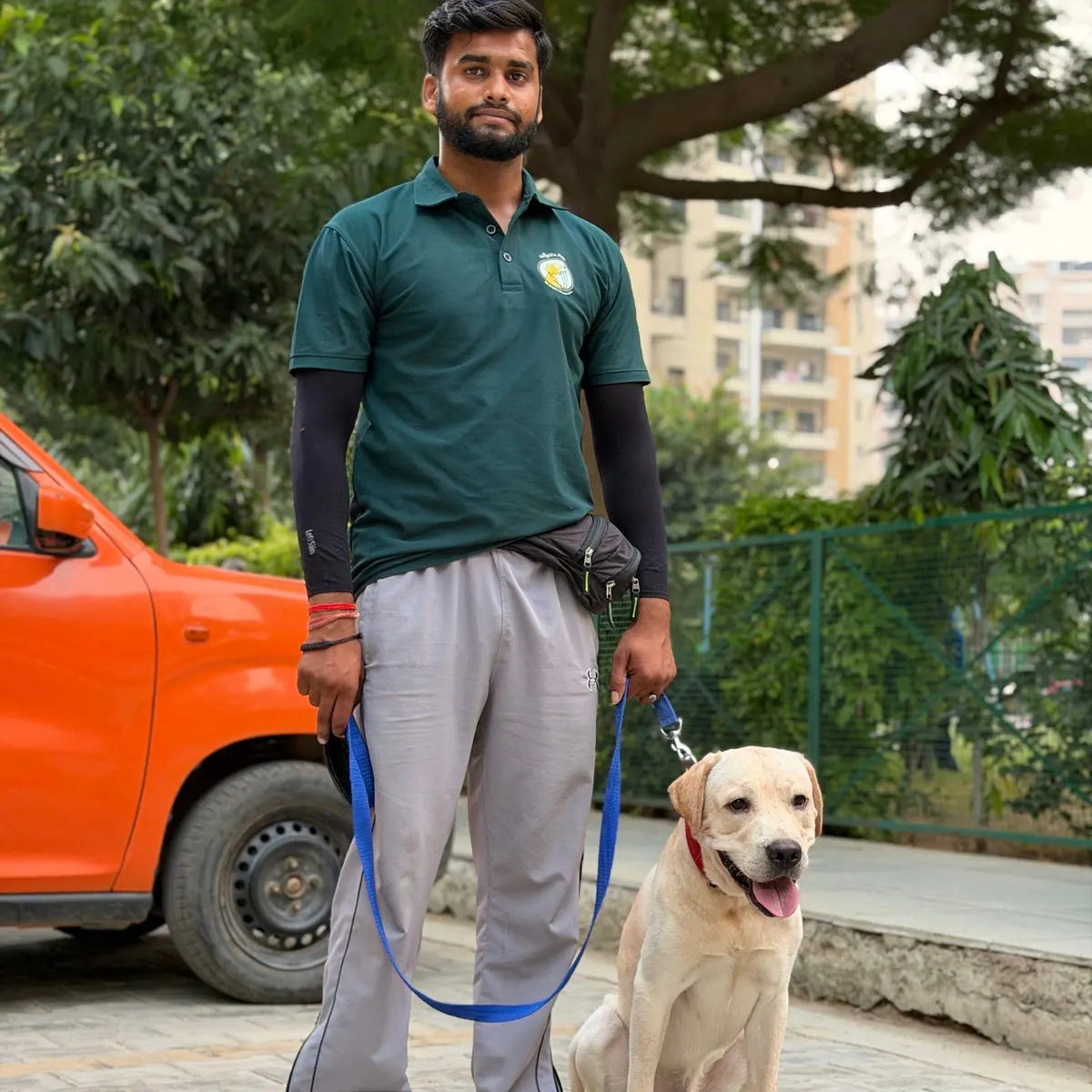
How to Fix Common Dog Behaviour Problems
Most dog behaviour problems make sense once you know the cause. Finding that cause is always the first step.
Excessive barking
Dogs bark to alert, from excitement, boredom, fear or frustration. Find the trigger first. If your dog barks at people outside the window, blocking the view and rewarding quiet moments can help. Avoid shouting, which can add to the excitement. If barking starts suddenly or will not stop, check for medical or environmental causes. More in why dogs bark.
Leash pulling
Dogs pull to reach a smell, a person or another dog. Practise somewhere quiet, reward walking beside you on a loose leash and add distractions slowly. If your dog lunges or reacts strongly to other dogs, keep a safe distance and get help with leash reactivity.
Jumping on guests
Jumping usually continues because it gets attention. Teach your dog to greet with all four paws on the floor, reward calm hellos and ask visitors not to reward jumping. A leash, baby gate or settle spot helps with excitable dogs. See how to stop a dog jumping on people.
Chewing household items
Chewing is one of the most common dog behaviour problems, and it is natural, especially for puppies. Offer safe chew toys, supervise near furniture, shoes and wires, redirect your dog to the right item and reward them for using it. Keep tempting things out of reach.
Ignoring cues
A dog may ignore a cue because of distractions, confusion, too little practice, fear or a reward that is not exciting enough. Go back to an easier setting, reward small wins and build up again. Ignoring a cue is rarely stubbornness.
Dog Training Methods: Why Positive Reinforcement Training Works
Of all dog training methods, positive reinforcement training is the most widely recommended. It encourages behaviour with rewards your dog values. If your dog sits when asked and gets a treat, they are more likely to sit next time. It works for puppy training, obedience, leash walking, recall and everyday dog behaviour problems.
Good training also means managing the environment, preventing repeats of unwanted behaviour where you can and teaching a better alternative. Avoid methods that rely on intimidation, physical punishment, painful corrections or frightening equipment. They raise stress and can make fear or aggression worse, which is also the position of the American Veterinary Society of Animal Behaviour.
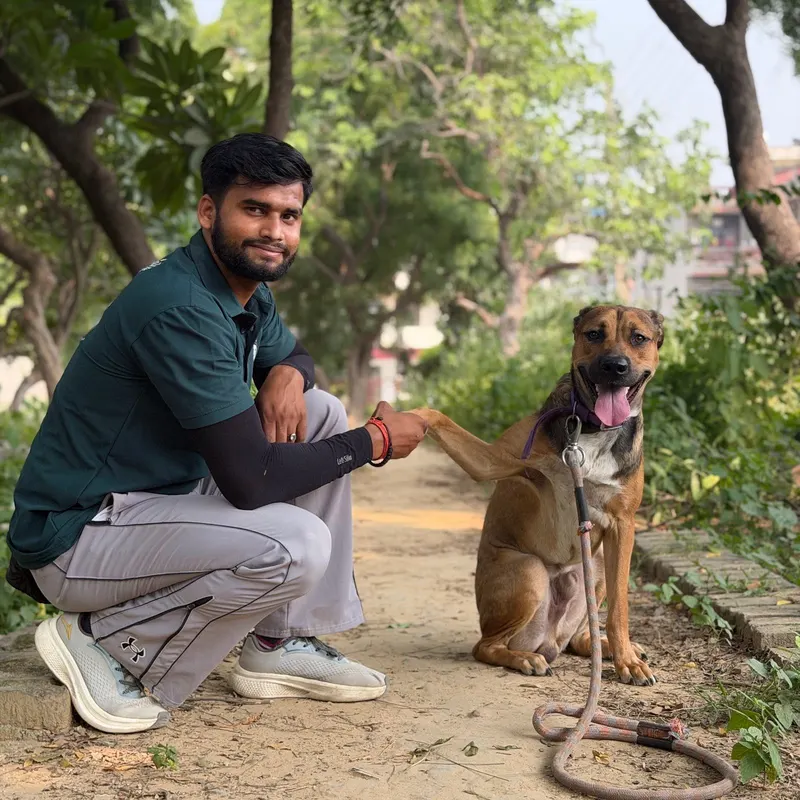
How to Choose the Right Dog Trainer
The right trainer makes a big difference. Before you book, check:
- Experience: with dogs of your dog’s age, temperament and needs.
- Methods: do they use reward-based dog training techniques, and how do they handle a fearful or struggling dog?
- Individual attention: the plan should fit your dog’s personality, home and pace.
- Practical guidance: a good trainer shows you what to practise between sessions.
- Progress tracking: ask how progress is measured and how the plan changes if your dog needs more support.
- Transparency: agree the programme, fees, session format and realistic results before you start.
No trainer can promise that a behaviour will stop in a fixed number of sessions. Results depend on consistency, environment, health and the problem itself. Our checklist of 10 questions to ask a dog trainer helps you compare.
Professional Dog Training at Home
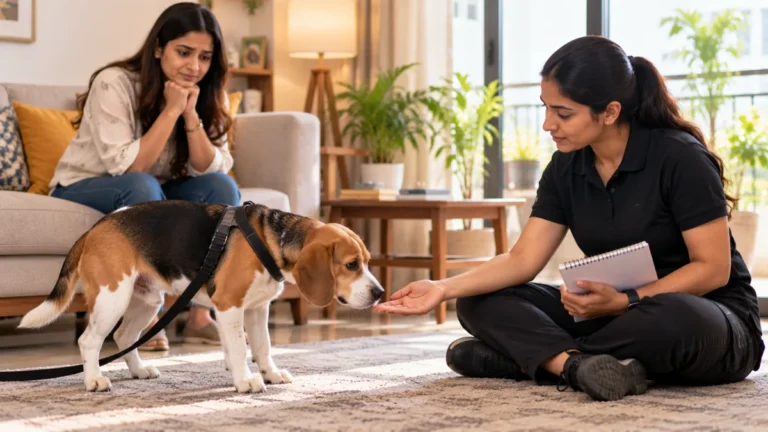
Training at home lets a trainer see your dog’s real routine, spot triggers and show you techniques in familiar surroundings. It works especially well for potty training, jumping on guests, door manners and house rules. Leash manners, recall and calm behaviour around distractions also need practice outdoors, so a good plan uses dog training methods that cover both. Read what to expect from professional dog training.
How Much Does Dog Training Cost?
Prices in India vary with the city, the trainer’s experience, programme length, location and how complex your dog’s needs are. Compare what is included: number and length of sessions, follow-up support, travel and how much you are expected to practise. Choose a programme that suits your dog and uses safe methods, not just the lowest price.
At OrigiZnPets, a single home session costs ₹799. Core Training is ₹8,699 for 12 sessions over a month, and Foundation Training is ₹15,699 for 24 sessions over two months. The first visit is a free demo. See every plan on our packages page or read our dog training cost guide for India.
Why Choose OrigiZnPets for Dog Training?
Every dog has their own personality, learning style and needs, so every OrigiZnPets plan starts with an assessment at your home. Our trainers are background-checked, use only reward-based dog training techniques, visit the same family each week and teach everyone at home the same cues. You can book, pay and track sessions in the OrigiZnPets app.
We train dogs and cats at home across Delhi NCR and the Chandigarh Tricity. Find your area on our dog trainer near me page, or see how our dog training at home works.
Ready to start? Book a free demo and a trainer will meet your dog and give you a written plan, with no card needed.
Dog Training Guide FAQs
1. What is the best age to start dog training?
When your puppy comes home, usually at about 8 weeks. Start with simple, age-appropriate activities and positive reinforcement. Adult and senior dogs can learn new behaviours too.
2. How long does it take to train a dog?
It depends on age, temperament, past learning, the behaviour and how consistently the family practises. Basic cues can come quickly, while reliable behaviour around distractions takes weeks or months.
3. Can I train my dog at home?
Yes. Most dog training techniques, including sit, stay, toilet routines and leash basics, can be taught at home. Professional help is useful for persistent problems, complex behaviour or safety concerns.
4. Which dog training method is best?
Of all dog training methods, reward-based training is the best general approach for teaching new behaviours and strengthening good habits. Adapt it to your dog and avoid any method that causes pain or fear.
5. How do I stop my dog pulling on the leash?
Reward walking on a loose leash, start somewhere quiet and add distractions slowly. Use comfortable equipment and no painful corrections. Strong pulling or lunging may need a trainer.
6. How can I stop excessive barking?
Find out why your dog barks first. The fix may be reducing triggers, adding enrichment, rewarding quiet or working on fear and frustration. Sudden or persistent changes deserve a vet or trainer’s advice.
7. Is professional dog training worth it?
Often, yes. A trainer gives you structure, feedback and a plan for your dog, which helps most when you are unsure how to teach something or a problem keeps coming back.
8. Can older dogs be trained?
Yes. Older dogs learn new skills, with sessions adjusted for mobility, hearing, eyesight and health. Keep exercises comfortable and reward progress.
9. How often should I train my dog?
Several short sessions a day, adjusted to your dog’s age and attention. Regular practice matters more than long, tiring sessions.
10. How do I find a good dog trainer near me?
Look for someone who trains at your home, uses reward-based methods, assesses your dog first and explains the plan and fees clearly. OrigiZnPets trainers do all of this, and you can meet one on a free demo first.
Final Thoughts
Dog training is an ongoing process that helps dogs and families live together happily. From puppy training and basic obedience to leash manners and fixing dog behaviour problems, steady practice builds good habits and clear communication. Every dog learns at their own pace, so patience, the right rewards, safe management and realistic goals matter most. Keep this dog training guide handy, and reach out whenever you want a trainer by your side.
Related reading: How to Train a Dog: A Step-by-Step Guide · Dog Obedience Commands · Crate Training a Puppy · 5 Daily Habits That Improve Your Dog’s Behaviour
Want a trainer to help? See dog training at home, or read about dog training in Delhi NCR. Your first trainer visit is free.