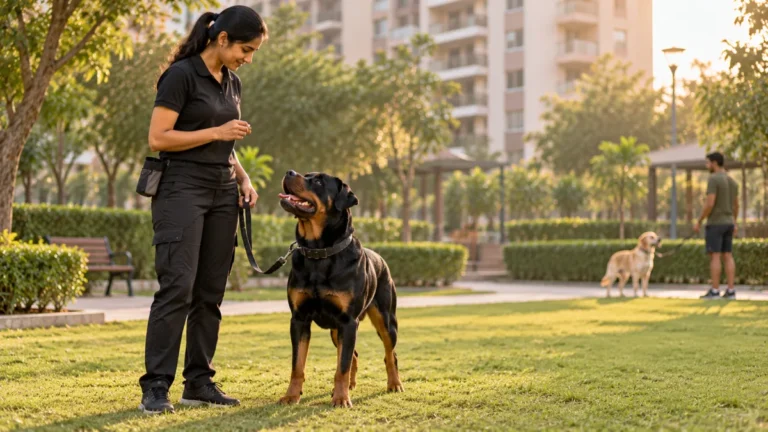
Puppy Training: Complete Guide with 6 Essential Techniques

Quick answer
Start puppy training the day your puppy comes home, usually at 8 weeks. Focus on six basics: simple cues like sit and come, toilet training, gentle socialisation, bite inhibition, leash walking and crate or alone-time training, in short, reward-based sessions.
Puppy training is a critical component of raising a happy, confident, and well-behaved dog. The first few months of a puppy’s life are vital for establishing good habits, learning basic commands, and forming a strong bond with its owner. Proper training helps prevent many common behavioural issues such as excessive barking, biting, jumping on people, and inappropriate toileting.
Whether you are a first-time pet parent or an experienced dog owner, starting puppy training at the appropriate time can significantly impact your dog’s behaviour and overall development.
When Should You Begin Puppy Training?
Puppy training can start as soon as you bring your puppy home, typically at around 8 weeks of age. At this point, puppies are capable of learning simple commands, household rules, and basic socialization skills.
Early training should focus on positive experiences, gentle guidance, and short, enjoyable sessions. As your puppy matures, you can gradually introduce more advanced obedience training and behavioural exercises.
Essential Puppy Training Techniques
Basic Obedience Training
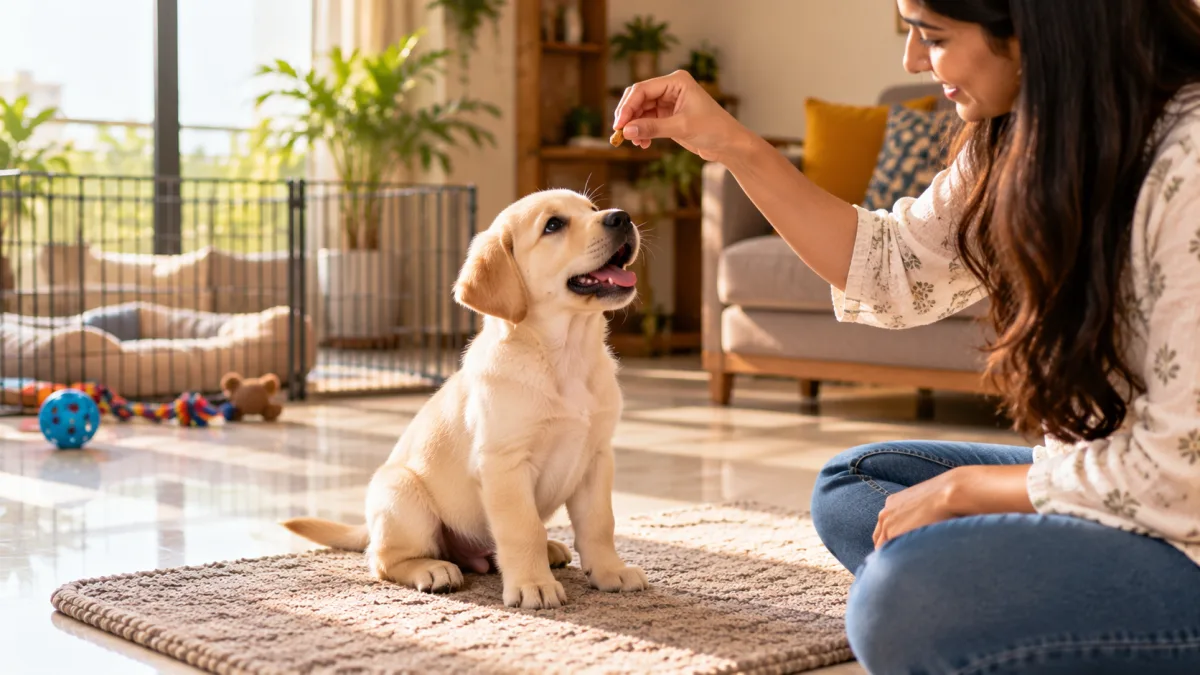
Teaching basic commands is one of the initial steps in puppy training. Commands such as “Sit,” “Stay,” “Come,” “Down,” and “Leave It” enable you to effectively communicate with your puppy and encourage good behaviour.
Provide small treats, praise, and rewards each time your puppy correctly executes a command. Keep training sessions short and consistent to help your puppy learn without becoming overwhelmed.
Toilet Training
Toilet training instructs your puppy where and when to relieve itself. Establishing a routine is essential for success.
Take your puppy to the designated toilet area immediately after waking up, eating, drinking, and playing. Reward your puppy immediately after it eliminates in the correct location. Be patient, avoid punishment, and thoroughly clean indoor accidents to prevent repeat incidents.
Socialization Training
Socialization enables puppies to feel comfortable around different people, animals, sounds, and environments. Positive early experiences can reduce the likelihood of fear and anxiety later in life.
Introduce your puppy gradually to new experiences, including visitors, household sounds, different surfaces, and calm, friendly dogs. Follow your veterinarian’s recommendations regarding vaccinations and safe outdoor exposure.
Bite Inhibition and Chewing Habits
Puppies naturally explore the world with their mouths, and playful biting is common during their early development.
Provide appropriate chew toys and redirect biting toward suitable objects. If play becomes too rough, calmly pause the interaction and resume once your puppy settles. Do not hit, shout, or use fear-based training methods.
Leash and Walking Training
Leash training enables your puppy to learn to walk calmly without pulling. Begin by allowing your puppy to become comfortable wearing a well-fitted collar or harness and then gradually introduce the leash.
Reward your puppy for walking beside you and responding to your guidance. Start in a quiet environment before moving to busier areas as your puppy gains confidence.
Crate and Alone-Time Training
Crate training can provide your puppy with a comfortable, safe resting space when introduced positively. Make the crate inviting with comfortable bedding and rewards, and never use it as punishment.
Gradually teach your puppy to spend short periods alone. This can help build independence and reduce distress when you need to leave home.
Benefits of Professional Puppy Training
Professional puppy training can help pet parents establish good habits and address behavioural issues early.
Some key benefits include:
Better obedience: Enables puppies to learn essential commands and follow household rules.
Improved social behaviour: Encourages calm and appropriate interactions with people and other dogs.
Fewer behavioural problems: Helps address unwanted habits before they become established.
Stronger bonding: Builds trust, communication, and cooperation between the puppy and its owner.
Greater confidence: Helps puppies become more comfortable in different environments.
Personalized guidance: A professional trainer can tailor exercises to your puppy’s age, temperament, breed, and individual needs.
How Long Does Puppy Training Take?
The amount of time required depends on the puppy’s age, temperament, consistency of practice, and the skills being taught. Some basic commands may develop within days or weeks, while reliable toilet habits, leash manners, and impulse control can take several months.
Daily practice of approximately 5–10 minutes per session, repeated as appropriate throughout the day, can be effective for young puppies. Patience and consistency are more important than rushing the process.
Common Puppy Training Mistakes to Avoid
Pet parents should avoid several common mistakes when training their puppies:
- Expecting immediate results.
- Using physical punishment or intimidation.
- Providing inconsistent commands and household rules.
- Skipping socialization and positive exposure.
- Training for too long without breaks.
- Failing to reward desirable behaviour.
- Ignoring signs of fear, stress, or tiredness.
Positive reinforcement, clear communication, and a predictable routine create a better learning environment for puppies.
Why Choose Professional Puppy Training Services?
Professional puppy training services can offer structured guidance for obedience, toilet training, socialization, leash manners, and unwanted behaviours. A qualified trainer can also help pet parents understand their puppy’s body language and develop practical training routines for home.
When selecting a trainer, look for experience with puppies, humane reward-based methods, transparent training plans, and opportunities for pet parents to participate. Training should focus on building confidence and good behaviour rather than suppressing natural puppy behaviour through fear.
Puppy training is an investment in your dog’s long-term happiness, safety, and behaviour. Starting early, maintaining a consistent routine, and using positive reinforcement can help your puppy develop into a confident and well-mannered companion.
Every puppy learns at its own pace; therefore, patience and consistency are essential. With the right approach and professional guidance when needed, pet parents can build a strong relationship with their puppies and enjoy a more rewarding life together.
Want expert help at home? Book a trainer for a single session from ₹799, or start with a free demo session at your home, no card required.
Puppy Training at Home in Delhi NCR
Puppies learn best in the home they live in. OrigiZnPets trainers visit families across Delhi NCR, including dog training in Noida, dog training in Greater Noida, dog training in Gurgaon, dog training in Ghaziabad, dog training in Faridabad, dog training in South Delhi, dog training in East Delhi, dog training in West Delhi and dog training in North Delhi.
OrigiZnPets trainers come to your home across Delhi NCR. The first visit is a free demo session where the trainer assesses your dog and shows you where to start, with no card required. Single sessions start at ₹799, and structured programmes such as Core Training (₹8,699) are listed on our packages page. Every trainer is background-checked and uses reward-based methods only.
For toilet training specifically, the American Kennel Club explains how to potty train a puppy step by step.
Related reading: Puppy Training Schedule by Age · How to Stop Puppy Biting · Crate Training a Puppy