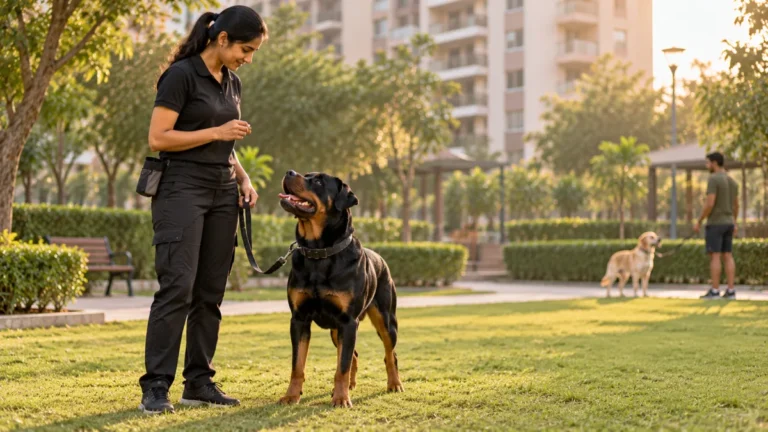
Why Do Dogs Bark? 8 Types of Barking and How to Fix Each


Quick answer: why do dogs bark? To alert you, to ask for something, out of fear, boredom or excitement, or because they are anxious when left alone. Once you know why your dog barks, you can fix the cause instead of shouting at the noise.
Quick answer
Dogs bark to communicate. The 8 main types are alert or territorial barking, demand barking, boredom barking, fear barking, reactive barking, greeting barking, play barking and separation barking. Each has a different cause, so the fix is different too: remove triggers for alert barking, ignore demand barking, add exercise for boredom, build confidence for fear, and get help for separation distress.
“Why does my dog bark so much?” is one of the first questions pet parents ask a trainer. The honest answer is that barking isn’t one problem. A dog barking at the doorbell, a dog barking for your dinner and a dog barking at a street dog on a walk are saying three very different things, and each one needs a different fix.
This guide explains why dogs bark, how to read the sound and body language behind a bark, the 8 types of dog barking, and the right solution for each one. It is the guide to read before you try to stop the barking. Once you know which type you’re dealing with, our step-by-step guide on how to stop dog barking will work much faster.
Why Do Dogs Bark?
Barking is how dogs talk to each other and to us. They bark to warn, to ask, to express excitement, to release frustration and to say they’re scared. Barking itself is normal and healthy. It becomes excessive barking when it goes on for a long time, happens many times a day, or disturbs your family and neighbours.
Most dog barking problems come from one of three things: something in the environment that sets the dog off, a need that isn’t being met (exercise, company, the toilet), or a habit the dog has learned because barking got it what it wanted.
Why Do Dogs Bark? How to Read the Sound
Before you can fix barking, it helps to understand what your dog is saying. Listen to the sound and watch the body:
| What you hear and see | What it usually means |
|---|---|
| Deep, fast, repeated barks; body stiff and leaning forward | Alert or warning: “Someone’s here” |
| Single sharp bark while staring at you or the food | Demand: “Give me that now” |
| High-pitched barks, tail tucked, backing away | Fear: “I’m scared, stay away” |
| Monotone barking that goes on and on | Boredom or compulsive barking |
| Bouncy, play bow, loose wagging body | Play: “Come and play with me” |
| Howling or whining mixed with barks when alone | Separation distress |
Why Do Dogs Bark? 8 Types and How to Fix Each
1. Alert and territorial barking
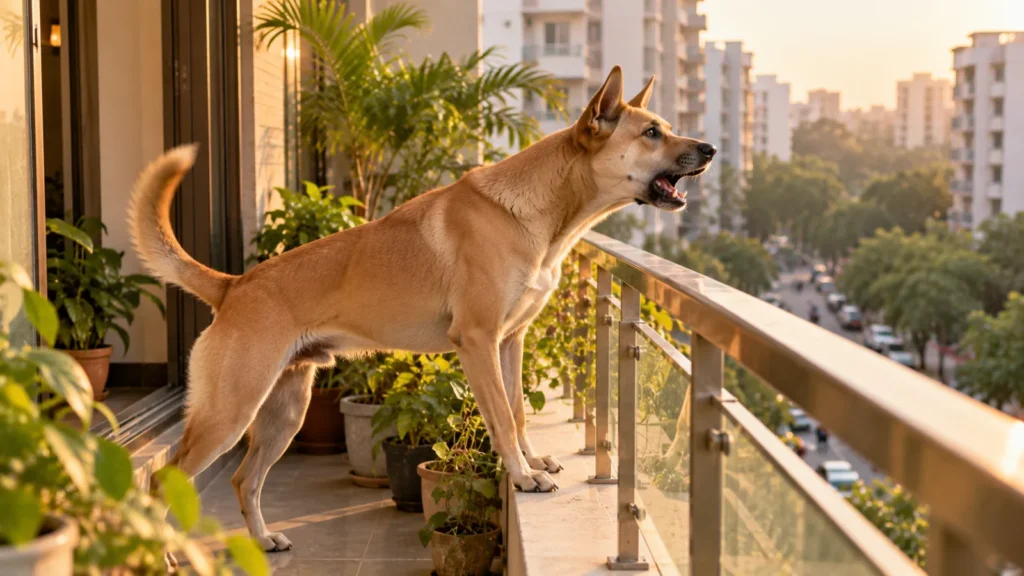
What it looks like: Barking at the doorbell, delivery boys, the guard’s whistle, people walking past the gate or sounds in the corridor.
Why it happens: Your dog sees itself as the home’s security system. In Indian homes with constant deliveries, house help and visitors, alert barking can go on all day.
The fix: Block the view (frosted film on low windows, keep the dog away from the gate), and teach your dog to go to its bed when the doorbell rings. Reward calm, not the barking. Thank your dog after one or two barks, then call it away and reward.
2. Demand or attention-seeking barking
What it looks like: Barking at you while you eat, work, are on a phone call, or when it wants to go out or play.
Why it happens: Barking worked before. Someone gave food, attention or a walk to make it stop.
The fix: Stop rewarding it. Turn away and wait for silence, then reward the quiet. Meet your dog’s needs on your schedule, before it asks: a chew during your dinner, a walk before your call. Expect it to get worse for a few days before it gets better.
3. Boredom barking
What it looks like: Long, repetitive barking with no clear trigger, often when the family is busy or out.
Why it happens: Not enough physical exercise or mental work. Working and high-energy breeds suffer most.
The fix: More sniffing walks, puzzle feeders, chews and short training sessions. Ten minutes of brain games tires a dog as much as a long walk. See these indoor games for dogs. If the barking looks almost robotic and nothing breaks it, talk to a vet or trainer, as it may be compulsive.
4. Fear barking
What it looks like: High-pitched barking while backing away from people, other dogs, firecrackers, thunder or new things.
Why it happens: Your dog is scared and is trying to make the scary thing go away. It often starts with poor socialisation or a bad experience.
The fix: Never force your dog to “face” its fear. Give space, then pair the scary thing with good things at a distance your dog can cope with, and slowly get closer over days and weeks. Punishing fear barking makes fear worse. For loud bangs, see our guide to dog anxiety during fireworks.
5. Reactive barking on walks
What it looks like: Lunging and barking at street dogs, other dogs, cows, bikes or people while on the leash.
Why it happens: A mix of fear, frustration and excitement. The leash stops your dog from moving away or saying hello, so it barks instead.
The fix: Keep more distance from triggers, cross the road early, reward your dog for looking at the trigger and then back at you, and walk at quieter times. Our step-by-step guide on leash reactivity in dogs covers this in detail.
6. Greeting and excitement barking
What it looks like: Happy, loud barking with a wagging tail when you come home or guests arrive, often with jumping.
Why it happens: Pure excitement. It is friendly, but it can be overwhelming, especially for children and older guests.
The fix: Keep arrivals low-key: ignore your dog for the first minute, then greet calmly once all four paws are on the floor. Give your dog a job, like fetching a toy, when the door opens. Our guide on stopping a dog jumping on people helps here too.
7. Play barking
What it looks like: Barking during games, often with play bows and a bouncy body.
Why it happens: Your dog is having fun. This is the least worrying type of barking.
The fix: Usually none needed. If it gets too loud, pause the game for a few seconds whenever your dog barks, then restart once it’s quiet. Your dog learns that quiet keeps the fun going.
8. Separation barking
What it looks like: Barking, howling or whining that starts soon after you leave, often with chewing at doors, pacing or toilet accidents.
Why it happens: Your dog is distressed at being alone. Neighbours often notice this one before you do.
The fix: Practise very short absences and build up slowly, leave a long-lasting chew, keep departures and returns calm, and exercise your dog before you go. Severe cases usually need a trainer. Read our full guide on dog separation anxiety.
Quick Reference: Barking Types and Solutions
| Type | Common triggers | Fix in one line |
|---|---|---|
| Alert / territorial | Doorbell, deliveries, guards, gate | Block the view, reward calm, teach “go to bed” |
| Demand | Your meals, calls, wanting a walk | Never reward barking; reward quiet |
| Boredom | Long days alone, too little exercise | More sniffing walks and brain games |
| Fear | Strangers, crackers, new things | Distance plus good things, at your dog’s pace |
| Reactive | Street dogs, other dogs on walks | More distance, reward looking back at you |
| Greeting | You coming home, guests | Low-key arrivals, reward four paws down |
| Play | Games and play time | Pause the game when barking starts |
| Separation | Being left alone | Short practice absences, calm routine, trainer for severe cases |
Which Dog Breeds Bark the Most?
Every dog can bark, but some breeds were bred to use their voice. Beagles and other hounds bay at scents, Pomeranians, Chihuahuas and Lhasa Apsos are quick alert barkers, German Shepherds and Rottweilers are natural guards, and Huskies are famous for howling. Indian Indie dogs are often alert and territorial too, which makes them excellent watchdogs but noisy neighbours if they’re bored. Breed is a tendency, not a rule: training and routine matter more. See our Beagle behaviour tips for one of the most vocal breeds.
Why Do Dogs Bark More? Common Mistakes That Make It Worse
- Shouting “No!” Your dog hears you joining in.
- Giving in “just this once”. One reward for barking can undo days of training.
- Using shock, spray or ultrasonic collars. They suppress noise without fixing the cause and can create fear and aggression.
- Treating every type the same. Ignoring works for demand barking but not for fear or separation barking.
- Not enough exercise. No training method beats a tired, mentally satisfied dog.
When Barking Needs a Professional
Get help from a trainer if barking comes with lunging, growling or snapping, if your dog barks for long periods when alone, if neighbours or your RWA have complained, or if nothing has changed after a few weeks of consistent work. A trainer can watch your dog in its real environment and spot the trigger you’re missing.
The ASPCA’s guide to barking groups barking by cause in the same way, and is a good second read if you are still asking why do dogs bark at certain triggers.
Need a hand? Our force-free trainers visit homes across Delhi NCR, including dog training in South Delhi and dog trainers in Ghaziabad. The first session is a free demo, so you can see how your dog responds.
Frequently Asked Questions
Why do dogs bark at nothing?
Usually they’re reacting to something you can’t hear or smell, like a dog several streets away or a sound in the next flat. Boredom can also cause barking with no clear trigger. In older dogs, sudden barking at nothing can be a sign of pain or confusion, so see a vet.
What does it mean when a dog barks at you?
Most often it’s demand barking: your dog wants food, attention, play or a walk. If the bark is high-pitched and your dog is backing away, it may be scared. Look at the body language and what happened just before.
How do I stop excessive barking in dogs?
First work out which type of barking it is. Then remove triggers where you can, meet your dog’s exercise and mental needs, stop rewarding barking, and reward quiet. Our guide on how to stop dog barking has the full steps.
Why does my dog bark at strangers and guests?
It’s usually alert or fear barking. Alert barkers stand tall and lean forward; fearful dogs back away with a lowered body. Both improve with calm, positive introductions at a distance your dog is comfortable with.
Why does my dog bark at other dogs on walks?
This is reactive barking, often caused by fear or frustration on the leash. Keep more distance, reward calm looks, and avoid busy times and places while you train.
Is it cruel to stop a dog from barking?
Teaching a dog when to be quiet is not cruel. Punishing barking or using pain-based collars is. Aim to reduce barking by meeting your dog’s needs and rewarding calm, not to stop your dog ever using its voice.
Why does my dog bark at night?
Common causes are street dogs and night sounds, needing to pee, boredom, sleeping alone and, in older dogs, pain or confusion. See our guide on dog barking at night.
Related reading: Why Is My Dog Barking at Night? · How to Stop Dog Barking · Leash Reactivity in Dogs · Dog Separation Anxiety