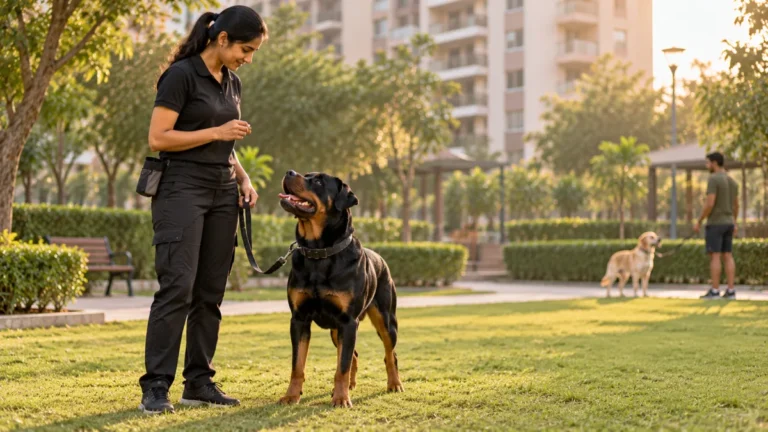
Professional Dog Training: 5 Proven Benefits and What to Expect

Quick answer
Professional dog training teaches your dog reliable cues, manners and calm behaviour using a structured, reward-based plan. It is worth it when you want faster progress, help with a specific problem, or a plan the whole family can follow consistently.
Your dog is more than just a pet; they are part of your family. However, raising a well-behaved dog takes time, patience, consistency, proper guidance, and the right training methods. Whether you have a playful puppy or an adult dog with behavioural issues, professional dog training can help improve obedience, confidence, and communication between you and your furry friend.
At OrigiZnPets, we believe every dog should have the opportunity to learn, grow, and develop good habits in a positive and supportive environment. Our goal is to help pet owners build a stronger relationship with their dogs through structured training and personalized guidance.
What is Dog Training?
Dog training is the process of teaching dogs basic commands, good manners, social skills, and appropriate behaviour. It allows dogs to understand what is expected of them while giving pet owners the ability to confidently manage their pets.
Professional dog training may include basic obedience, puppy training, leash training, socialization, and behaviour modification. Training programs are chosen based upon the dog’s age, breed, temperament, learning ability, and individual needs.
Why is Professional Dog Training Important?
Proper training can make daily life easier for both dogs and their owners. Some key benefits include:
- Increased Obedience
Basic commands such as “sit,” “stay,” “come,” “down,” and “leave it” allow dogs to respond more reliably to their owners. These skills are useful at home, during walks, and in public areas.
Improved Behaviour
Professional guidance can help address common problems such as excessive barking, jumping on guests, pulling on the leash, and unwanted chewing. Persistent or severe behavioural problems may also require veterinary evaluation.
Early Puppy Socialization
Puppies benefit from safe, positive exposure to various people, sounds, environments, and other suitable dogs. Early socialization helps them develop confidence and learn appropriate responses to everyday situations.
Stronger Relationship Between Dogs and Owners
Training improves communication and builds trust. When pet owners understand how their dogs learn, they can respond more consistently and create a more rewarding relationship.
Increased Safety and Control
Reliable recall, leash manners, and basic obedience can help pet owners safely manage their dogs in different environments. No dog should be assumed to be completely reliable off-leash in every situation.
When Should You Begin Dog Training?
Training can begin as soon as a puppy comes home (usually around eight weeks old), as long as the activities are age-appropriate and positive.
Young puppies can begin learning their names, simple commands, housebreaking routines, and gentle handling. Adult dogs can also learn new skills, improve obedience, and develop better habits with consistent training.
The best time to start is when you can establish a routine and provide regular, positive practice.
Types of Dog Training Services
Each dog has different learning needs. The type of program you choose depends on your goals and your dog’s current behaviour.
Puppy Training
Puppy training focuses on establishing foundational skills, housebreaking, bite inhibition, appropriate play, socialization, and early obedience. Establishing positive habits early can make the transition into family life easier.
Basic Obedience Training
Basic obedience teaches essential commands and everyday manners. It helps dogs respond more consistently to their owners and behave appropriately at home and in public.
Advanced Obedience Training
Advanced training develops greater focus and reliability around distractions. Depending on the dog’s ability and training goals, it may include longer stays, improved recall, distance commands, and more complex obedience exercises.
Leash Training
Leash training helps dogs walk more comfortably without constantly pulling. It also teaches them to pay attention to their handlers and respond calmly to distractions during walks.
Behaviour Training
Behaviour training addresses concerns such as fear, reactivity, separation anxiety, excessive barking, and aggression. These issues require an individual assessment and a carefully planned approach. Serious aggression, sudden behavioural changes, or signs of anxiety should be discussed with a veterinarian and, where applicable, a qualified behaviour professional.
Home Training
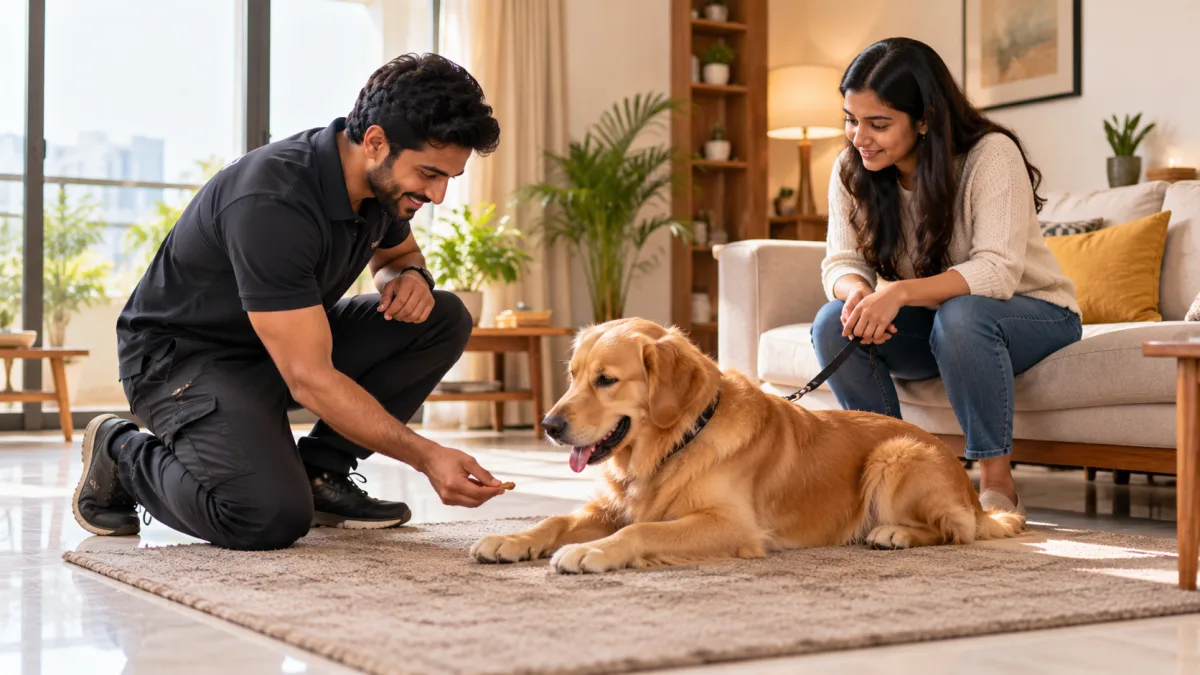
Home training helps dogs learn within their familiar environment. Sessions can focus on household manners, door behaviour, housebreaking routines, jumping, chewing, and other everyday challenges.
Which Dog Training Method is Best?
Reward-based training is widely recommended because it teaches dogs which behaviours result in positive consequences. Rewards can include treats, praise, toys, play, or other things the dog enjoys.
Effective training generally involves:
- Short, regular practice sessions.
- Clear and consistent commands.
- Rewarding desirable behaviour.
- Gradually introducing distractions.
- Setting realistic goals for each dog.
- Avoiding intimidation, physical punishment, and fear-based techniques.
Every dog learns at a different rate. Patience and consistency are essential for long-term progress.
How Long Does Dog Training Take?
The length of dog training depends on several factors including the dog’s age, temperament, previous experiences, training goals, and the frequency of practice at home.
Basic commands may begin to develop within a few sessions, while reliable obedience and complex behaviour changes can take weeks or months of continued practice.
A professional trainer can assess your dog’s needs and recommend a suitable training schedule.
How to Choose the Right Dog Trainer
Selecting the right trainer is an important step toward achieving your training goals. Before selecting a service, consider the following factors:
Experience and qualifications: Ask about the trainer’s education, experience, and approach to different breeds and behaviours.
Training methods: Look for reward-based methods that prioritize your dog’s welfare.
Personalized programs: Training should meet your dog’s needs rather than follow a generic approach.
Pet parent involvement: You should learn how to continue practicing the skills at home.
Progress tracking: Clear goals and regular feedback can help you monitor your dog’s development.
A good trainer focuses on helping both the dog and the owner succeed.
Professional Dog Training Services with OrigiZnPets
At OrigiZnPets, we recognize that every dog has a unique personality, learning style, and set of needs. Our approach is designed to help pet owners acquire practical skills and promote positive behaviour through structured guidance.
Whether you are bringing home a new puppy, working on basic obedience, improving leash manners, or seeking help with behavioural issues, the right training plan can help you achieve a happier and more harmonious relationship with your pet.
We encourage pet owners to remain actively involved throughout the process since consistent practice at home is crucial for long-term success.
Professional Dog Training at Home in Delhi NCR
OrigiZnPets brings professional dog training to your home, so your dog learns where everyday problems actually happen. We train in dog training in Noida, dog training in Greater Noida, dog training in Gurgaon, dog training in Ghaziabad, dog training in Faridabad, dog training in South Delhi, dog training in East Delhi, dog training in West Delhi and dog training in North Delhi.
OrigiZnPets trainers come to your home across Delhi NCR. The first visit is a free demo session where the trainer assesses your dog and shows you where to start, with no card required. Single sessions start at ₹799, and structured programmes such as Core Training (₹8,699) are listed on our packages page. Every trainer is background-checked and uses reward-based methods only.
The ASPCA has a helpful overview of common dog behaviour issues that professional training often addresses.
Frequently Asked Questions About Dog Training
What is the best age to start dog training?
Puppy training can begin at approximately eight weeks old with short, positive sessions. Adult dogs can also learn new commands and improve their behaviour at any age.
How many sessions does a dog need for training?
The number of sessions depends on the dog’s existing skills, behaviour, learning rate, and the program selected. Your trainer can recommend a schedule after evaluating your dog.
Can an aggressive dog be trained?
Many dogs exhibiting aggressive behaviour can benefit from professional evaluation and a structured behaviour plan. The approach depends on the underlying cause and severity. Veterinary guidance and a qualified behaviour professional may be required.
Is home dog training effective?
Yes. Home training can be effective for teaching household manners and addressing everyday challenges. Progress depends on the training plan, consistency, and the dog’s individual needs.
Is professional dog training worth it?
Professional training can help pet owners understand their dogs, acquire useful skills, and address behavioural issues more effectively. The value depends on the quality of the program and the owner’s continued involvement.
Dog training is an investment in your pet’s health, safety, and happiness. With positive reinforcement, consistent practice, and appropriate professional guidance, dogs can learn essential life skills and develop better relationships with their families.
Whether you have a young puppy or an adult dog, beginning with the right training approach can make a significant difference.
Want expert help at home? Book a trainer for a single session from ₹799, or start with a free demo session at your home, no card required.
Related reading: Dog Training Guide: 6 Steps to a Happy, Well-Behaved Dog · How to Choose a Dog Trainer · Basic Dog Commands · Dog Training Near Me