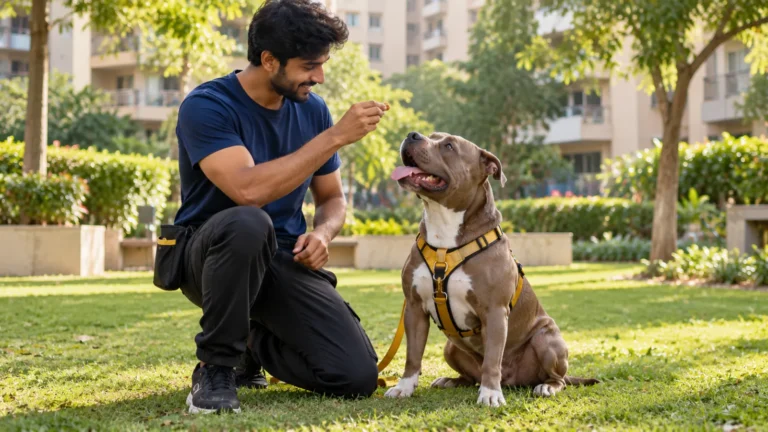
Doberman Training Basics: 5 Proven Steps to Channel Their Drive
Doberman training tips for channeling this breed's intelligence and drive: 5 proven steps for structure, confidence, and calm handling.


Quick answer
Dobermans learn fast but need early socialisation, consistent reward-based training and 1–2 hours of daily exercise plus mental work. Without structure their drive can turn into pulling, barking or guarding, so start training from the day your puppy comes home.
Doberman training tips that focus purely on obedience miss what actually shapes this breed’s adult temperament: early structure and socialisation matter more here than almost any breed, given how much intelligence and drive a Doberman carries from puppyhood onward.
Five proven doberman training tips
- Start structured training from the first week home, not after problem behaviours appear — this breed’s intelligence means bad habits form just as fast as good ones.
- Socialise widely and consistently, since Dobermans were bred as protectors and can become overly wary of strangers without deliberate, positive early exposure.
- Use reward-based methods exclusively. This breed responds to and bonds through positive reinforcement far more reliably than through correction-heavy approaches.
- Give them a genuine job or task. Dobermans were bred for working roles, and structured tasks satisfy a need that free play alone doesn’t meet, whether that’s a formal obedience routine or simply carrying an item on walks.
- Build impulse control early — wait-before-eating, calm greetings — since this breed’s size and drive make impulse control a genuine safety consideration, not just good manners.
A Doberman’s protective instinct isn’t a flaw to train out — it’s a trait to shape through structure, so it shows up as calm confidence rather than reactivity.
What makes this breed different to train than a similarly sized dog
The American Kennel Club’s Doberman Pinscher breed profile describes the breed as sleek, powerful, and historically bred for personal protection — background that explains why undirected energy in this breed surfaces as guarding or reactivity rather than simple restlessness, unlike breeds bred purely for companionship or retrieving.
Comparing this breed’s training needs to similar working breeds
Owners considering a Doberman often compare notes with German Shepherd training or Rottweiler training, and the core principles overlap closely — early socialisation, reward-based structure, and a genuine outlet for working drive all matter similarly across these protective, high-intelligence breeds.
Exercise needs beyond a daily walk
A single walk rarely satisfies this breed’s need for mental engagement. Obedience drills, scent work, or structured games that require problem-solving do more for a Doberman’s overall behaviour and settledness at home than additional physical exercise alone, and mixing these activities across the week keeps a naturally intelligent dog from getting bored with the same routine.
Our training and walking services build structured, job-oriented training specific to working and protective breeds like Dobermans. Book a free demo to start training built around this breed’s actual needs.
Common mistakes new Doberman owners make
Assuming size and confidence mean less structure is needed, or conversely relying on outdated dominance-based methods out of caution, are both common missteps. This breed does best with the same reward-based consistency any dog benefits from, applied with extra attention given their size and working drive — not a fundamentally different training philosophy. Working with a trainer experienced in protective breeds specifically can help new owners avoid both extremes.
What a well-raised adult Doberman looks like
Calm default behaviour at home, confident but appropriate reactions to strangers, and genuine responsiveness to their owner are realistic outcomes with consistent early training. This breed’s reputation for being either dangerous or endlessly loyal both stem from the same root cause — how much structure and socialisation went into their early months.
Exercise and mental engagement across the week
Varying activities across the week — one day of obedience drills, another of scent games, a longer walk on a third — keeps a Doberman genuinely engaged rather than simply tired. This breed notices repetition quickly and tends to lose interest in identical daily routines faster than lower-drive breeds do, which makes variety a genuine training tool rather than just a nice-to-have. Rotating activities also helps develop different skills while keeping training sessions fresh, purposeful, and mentally rewarding.
Prefer a trainer to guide you? Book at-home dog training in Greater Noida or Gurgaon dog trainers. We start with a free visit to see your dog in its everyday setting, then build a plan around it.
Frequently Asked Questions
Are Dobermans easy to train?
Dobermans are intelligent and eager to work, so they learn quickly with consistent, reward-based training. They need clear rules, daily mental work and early socialisation to become calm, confident adults.
When should I start training a Doberman puppy?
Start the day your puppy comes home, usually at 8–10 weeks, with name recognition, toilet training, handling and gentle socialisation. Formal obedience can build from there.
Are Dobermans good family dogs?
Yes, a well-trained and well-socialised Doberman is usually affectionate and loyal with family. They need enough exercise and training, and should always be supervised around small children.
How much exercise does a Doberman need?
Most adult Dobermans need at least 1–2 hours of activity a day, including walks, play and training. Mental exercise like nose work and obedience games is just as important.
How do I train a Doberman puppy?
Begin the day your puppy comes home with name, toilet routine, crate comfort and gentle mouthing. Add sit, down, come and loose-leash walking with treats and play, keep sessions short and fun, and socialise your puppy widely between 8 and 16 weeks.