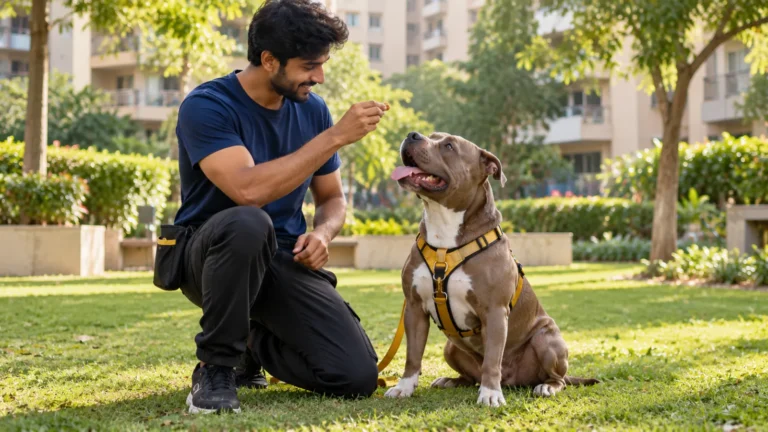
Dachshund Back Health: 5 Proven Steps to Protect This Breed’s Spine
Dachshund back health care that actually prevents injury: 5 proven steps addressing this breed's genuine, well-documented spine risk.


Quick answer
Dachshunds are prone to back disc problems (IVDD). Protect the spine by keeping your dog lean, limiting stairs and jumping, using ramps, lifting with support under the chest and back end, and choosing steady walks over rough play. Sudden pain or wobbly legs need a vet urgently.
Dachshund back health care isn’t an optional extra for this breed — it’s close to essential. Dachshunds carry a well-documented, significantly elevated risk of intervertebral disc disease due to their long back and short legs, and daily habits genuinely change the odds of a serious spinal injury.
Five proven dachshund back health care steps
These habits matter every day, not just occasionally, given how directly they connect to this breed’s actual injury risk.
- Prevent jumping on and off furniture. Use ramps or steps consistently, since repeated jumping is one of the most common preventable contributors to disc injury in this breed.
- Support the back properly when picking them up — one hand under the chest, one under the hindquarters, keeping the spine level rather than letting it curve.
- Maintain a lean body weight. Excess weight adds direct load to an already vulnerable spine, making injury more likely and recovery harder if it happens.
- Limit stairs where possible, or use ramps, since repeated stair use adds cumulative strain over years.
- Watch for early warning signs — reluctance to jump, yelping when picked up, a hunched back — and treat any of these as urgent, not something to watch and wait on.
With dachshunds, back injury prevention isn’t precaution for its own sake — this breed faces a genuinely elevated, well-documented risk that daily habits directly affect.
What the research actually shows
According to Cornell’s Riney Canine Health Center, intervertebral disc disease is a common source of back pain in dogs, with Dachshunds specifically named among the most commonly affected breeds due to their body shape. Published research estimates that somewhere between one in five and one in four Dachshunds will show clinical signs of this condition during their lifetime.
Recognising an emergency versus a minor strain
Sudden reluctance to move, dragging of the back legs, or any loss of bladder control needs immediate emergency veterinary attention — this is one of the few situations in dog care where hours genuinely matter for the outcome.
Exercise that supports rather than risks the spine
Flat, controlled walks are far safer than activities involving jumping, twisting, or repeated stairs. Swimming, where accessible, is often recommended as a lower-impact option that still provides good physical activity without loading the spine the way land-based jumping does.
Our training and walking services plan Dachshund-appropriate exercise routines that account for this breed’s specific spinal risk. Book a free demo to build a safe routine for your Dachshund.
Everyday habits worth changing immediately
Letting a Dachshund use stairs freely, allowing repeated jumping onto and off furniture, or picking them up incorrectly are all everyday habits that quietly accumulate risk over months and years. None of these require expensive equipment to fix — just consistent awareness and a ramp or two placed at the furniture your dog uses most.
What recovery looks like if an injury does happen
Mild cases are often managed with strict rest and medication over several weeks, while more severe cases may need surgery. Either way, the prevention habits above matter just as much after a first episode as before one, since a dog that’s had one disc injury carries a meaningfully higher risk of another.
Choosing furniture and living spaces with this breed in mind
Low furniture, or ramps built into higher pieces from the start, prevents the daily temptation to jump that a Dachshund will otherwise take on their own. Setting this up before problems start is far easier than retraining an adult dog already in the habit of jumping freely, and it’s a one-time investment that protects them for their entire life. It also gives them safer access to favourite resting spots without putting unnecessary strain on their back and joints.
Looking for local help? See Noida dog trainers and dog trainer in North Delhi, or find a dog trainer near you anywhere in Delhi NCR.
Frequently Asked Questions
Why are dachshunds prone to back problems?
Their long backs and short legs, combined with a genetic tendency to early disc changes, make dachshunds prone to intervertebral disc disease (IVDD). Keeping them lean and limiting jumping reduces the risk.
Should dachshunds use stairs?
It is best to limit stairs and jumping on and off furniture. Use ramps or pet steps, and carry your dachshund up and down stairs with support under both the chest and the back end.
What are the signs of a back injury in a dachshund?
Watch for a hunched back, crying when touched or picked up, reluctance to move, wobbly or dragging back legs, or loss of bladder control. These need urgent vet attention.
How much exercise does a dachshund need?
Most adult dachshunds need 45–60 minutes a day across walks and play. Choose steady walks and sniffing games over high-impact jumping or rough play.
Do all dachshunds get back problems?
Not all, but dachshunds have a much higher risk of intervertebral disc disease (IVDD) than most breeds, and many experience some back trouble in their lifetime. Keeping your dog lean and limiting jumping lowers the risk.
How can I prevent back problems in my dachshund?
Keep your dachshund at a healthy weight, use ramps instead of letting them jump on and off furniture, carry them on stairs with support under the chest and back end, use a harness instead of a collar, and choose steady walks over rough play.
Also read: Senior Dog Care: 6 Essential Changes to Make After Age 7 · Choosing the Right Dog Food by Breed: 5 Proven Guidelines · Signs your pet needs a vet, not just rest