
Best Dog Food for Indian Dogs in 2026

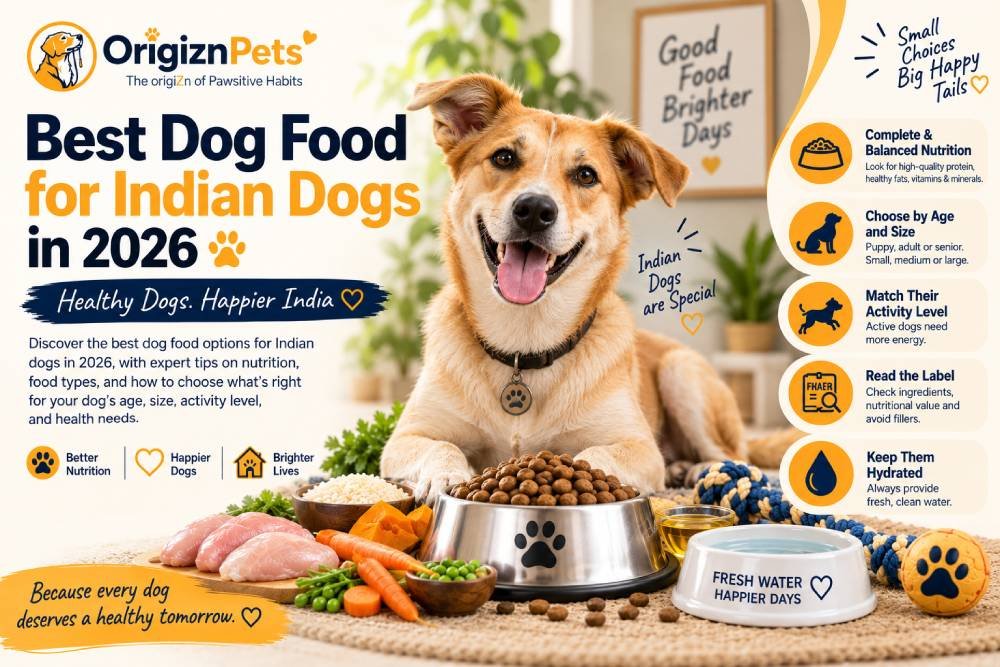
Choosing the best dog food for Indian dogs can be confusing, especially with so many options available today. From dry kibble and wet food to homemade meals and different types of treats, pet parents have plenty of choices.
However, the most expensive food is not automatically the right choice for every dog. Your dog’s age, size, activity level, lifestyle, body condition, and individual nutritional requirements should all be considered when choosing their everyday diet.
In this guide, we will explain what to look for when choosing the best dog food in India and how Indian pet parents can make better decisions about their dog’s nutrition in 2026.
What Makes the Best Dog Food for Indian Dogs?
The best dog food for Indian dogs should provide appropriate nutrition for your dog’s life stage and individual needs. Puppies, adult dogs, senior dogs, and highly active dogs can all have different nutritional requirements.
A good diet should provide the nutrients your dog needs in appropriate amounts and proportions. The World Small Animal Veterinary Association (WSAVA) recommends considering nutritional adequacy, calorie information, manufacturer transparency, and the individual needs of the pet when selecting food.
This means that choosing healthy dog food is about more than looking at attractive packaging or a long list of ingredients.
When comparing dog food for Indian dogs, look for clear information about:
- Life-stage suitability
- Nutritional adequacy
- Feeding recommendations
- Calorie information
- Manufacturer details
- Quality-control information
Why Dog Nutrition Matters
Good dog nutrition plays an important role in maintaining your pet’s overall health. Food provides the energy and nutrients dogs need for everyday activities, growth, maintenance, and normal body functions.
Your dog’s nutritional requirements can change throughout life. A young puppy that is growing rapidly may need a different diet from an adult dog, while an older dog may require adjustments based on their activity level and health.
This is why there is no single food that can be called the best option for every dog. The right choice depends on the individual animal.
Dog Food for Puppies vs Adult Dogs
One of the most important factors when choosing food is your dog’s age. Dog food for puppies is formulated with the needs of growing dogs in mind, while adult dog food is designed for maintenance.
Dog Food for Puppies
Growing puppies need appropriate nutrition to support their development. When choosing dog food for puppies, check that the product is specifically intended for the puppy’s life stage.
Puppy feeding also requires attention to portion sizes because overfeeding during growth can contribute to excessive weight gain.
Food for Adult Dogs
Adult dogs generally need a diet that supports maintaining a healthy body condition and an appropriate level of activity.
An active adult dog may have different energy requirements from a dog that spends most of the day indoors, so feeding amounts should be adjusted according to the individual dog’s needs.
Food for Senior Dogs
Senior dogs may experience changes in activity, body condition, and health as they age. Their diet may need to be reviewed based on these changes.
If your senior dog has a medical condition or significant weight change, speak with your veterinarian before making major dietary changes.
How to Choose Healthy Dog Food
Choosing healthy dog food starts with looking beyond the marketing on the front of the package.
Terms such as “premium,” “natural,” or “holistic” can sound appealing, but they do not automatically tell you whether a food is appropriate for your individual dog. WSAVA recommends paying attention to nutritional information, the manufacturer’s expertise, quality control, and the food’s nutritional adequacy rather than relying only on marketing terms.
When comparing products, check whether the food is intended to provide a complete diet for your dog’s particular life stage. WSAVA’s pet-food guidance also recommends checking whether the manufacturer can provide useful information about formulation, nutrient analysis, calories, and quality control.
You can read more about selecting pet food in the
WSAVA Global Nutrition Guidelines
.
Dry Dog Food vs Wet Dog Food
Both dry dog food and wet dog food can be suitable options depending on your dog’s individual needs and the overall diet.
Dry Dog Food
Dry dog food is popular because it is convenient, easy to measure, simple to store, and widely available. It can be a practical choice for everyday feeding when the product provides appropriate nutrition for your dog’s life stage.
Because dry food is relatively easy to portion, it can also make it simpler for pet parents to monitor how much their dog is eating each day.
Wet Dog Food
Wet dog food contains a higher proportion of moisture and may be appealing to dogs that prefer a softer texture.
Some pet parents use wet food as the primary diet, while others combine it with dry food. If you combine different foods, remember to consider the total amount your dog consumes rather than treating each food separately.
How Much Dog Food Should You Give?
Finding the best dog food for Indian dogs is only one part of maintaining a healthy diet. Portion size is equally important.
Even a nutritionally appropriate food can contribute to weight gain when a dog consistently eats more calories than they need.
Start with the feeding guidelines provided by the manufacturer, then consider your dog’s size, age, activity level, body condition, and overall health.
Remember that treats, biscuits, chews, table food, and other snacks also contribute to your dog’s total daily intake.
Should Indian Dogs Eat Homemade Food?
Homemade food is common in many Indian households. Pet parents may give their dogs foods such as rice, vegetables, eggs, chicken, or other ingredients as part of their meals.
Some individual human foods can be appropriate for dogs, but simply combining several ingredients does not automatically create a nutritionally complete diet.
A long-term homemade diet needs to provide all the nutrients a dog requires in appropriate amounts. If homemade food makes up a significant part of your dog’s diet, consider discussing the diet with your veterinarian or a qualified veterinary nutrition professional.
This is particularly important for puppies, pregnant or nursing dogs, senior dogs, and dogs with specific medical conditions.
Is Grain-Free Dog Food Better?
Grain-free diets have become popular among pet parents, but grain-free does not automatically mean that a food is healthier or more suitable for every dog.
The FDA has investigated reports of non-hereditary dilated cardiomyopathy (DCM) in dogs and possible associations with certain diets. The FDA has stated that the issue is complex and that multiple factors, including genetics, underlying health conditions, and diet-related factors, may be involved.
The FDA has also reported that the diets involved in its investigation included both grain-free and grain-containing foods. It has not concluded that grain-free diets are inherently unsafe.
For this reason, don’t change your dog’s diet simply because a particular diet is trending online. If you are considering a major dietary change, speak with your veterinarian about your dog’s individual nutritional requirements.
You can read the FDA’s current information about its work on potential dietary causes of non-hereditary DCM in dogs
here
.
What Does Complete and Balanced Dog Food Mean?
You may have seen the phrase complete and balanced dog food on pet-food packaging. This is an important concept when choosing a regular diet for your dog.
A food intended to provide a complete diet should supply the nutrients required for the species and relevant life stage when fed as directed. WSAVA recommends checking the nutritional adequacy information on pet-food labels rather than relying only on ingredient-list marketing.
Some products are designed only for intermittent, complementary, or supplemental feeding. These products should not automatically be treated as the sole everyday diet.
Understanding the difference can help pet parents make more informed choices when shopping for dog food for Indian dogs.
Common Dog Food Mistakes Pet Parents Should Avoid
Even after choosing good-quality food, everyday feeding habits can affect your dog’s nutrition.
- Changing your dog’s food suddenly
- Overfeeding based only on appetite
- Giving too many treats
- Choosing food only because of marketing claims
- Ignoring changes in your dog’s body condition
- Making major dietary changes without professional guidance
- Feeding foods that are unsafe for dogs
- Not checking whether the food is appropriate for your dog’s life stage
A consistent feeding routine and regular monitoring of your dog’s weight and body condition can help you identify changes early.
How to Change Your Dog’s Food Safely
If you decide that a different product may be more suitable, avoid switching your dog’s food suddenly unless your veterinarian specifically recommends doing so.
A gradual transition can help your dog adjust to the new food and may reduce the risk of digestive upset.
During the transition, monitor your dog’s appetite, stool, energy levels, and overall response to the new diet.
If your dog develops persistent vomiting, diarrhea, refuses food, or shows other concerning symptoms, contact your veterinarian.
When Should You Talk to a Veterinarian?
There is no universal answer to what constitutes the best dog food in India because every dog has different nutritional needs.
Speak with a veterinarian if your dog has persistent digestive problems, unexplained weight changes, food allergies or intolerances, a chronic health condition, or other symptoms that concern you.
A veterinarian can help you evaluate your dog’s current diet and determine whether any nutritional changes are appropriate.
Final Thoughts
Finding the best dog food for Indian dogs isn’t about choosing the most expensive product on the shelf. The right diet depends on your dog’s age, size, activity level, lifestyle, body condition, and individual nutritional requirements.
Whether you choose dry dog food, wet dog food, or another nutritionally appropriate option, focus on the overall quality and suitability of the diet rather than simply following the latest pet-food trend.
Good dog nutrition starts with understanding your dog’s individual needs. Read food labels carefully, follow appropriate feeding guidelines, monitor your dog’s body condition, and seek professional advice when your dog has specific health or nutritional requirements.
At OrigiznPets, we believe that informed pet parents can make better everyday decisions for their dogs. A suitable diet, regular exercise, proper grooming, training, and routine veterinary care can all contribute to a healthier and happier life for your pet.