

Why Are Dog Shampoo Searches Increasing?

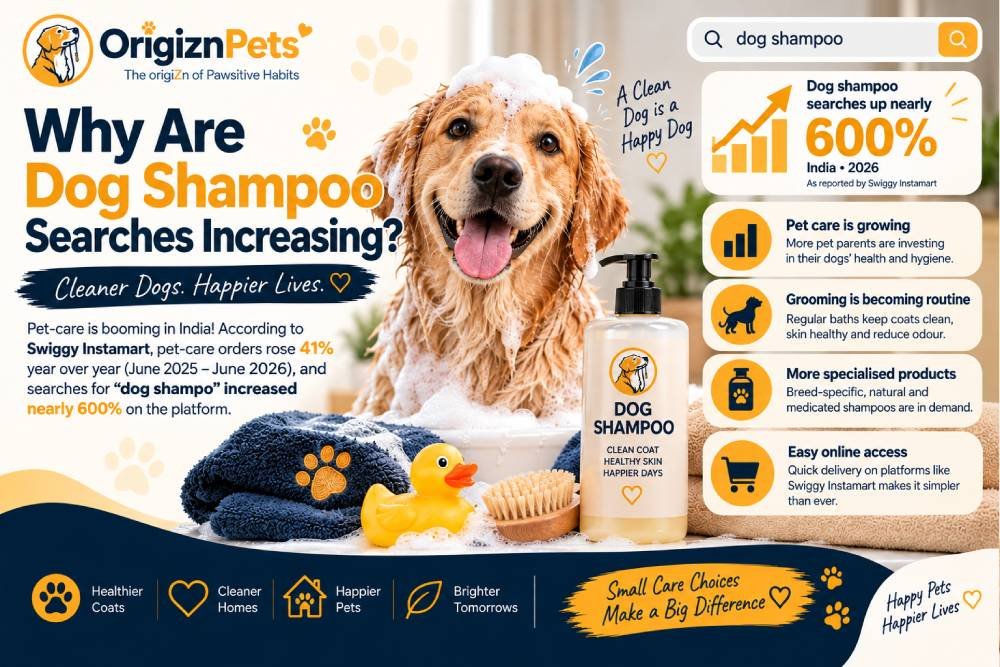
Choosing the right dog shampoo is an important part of maintaining your dog’s skin and coat. With so many grooming products available, pet parents can easily feel confused about which shampoo is suitable for regular bathing, sensitive skin, puppies, or specific grooming needs.
A good dog shampoo should be formulated specifically for dogs and should match your pet’s individual grooming requirements. Your dog’s coat type, age, lifestyle, skin condition, and bathing routine can all influence which product is appropriate.
In this guide, we’ll explain how to choose the right dog shampoo, how often dogs generally need baths, what to avoid during grooming, and when professional veterinary advice may be necessary.
Why Is Choosing the Right Dog Shampoo Important?
Bathing is an important part of dog grooming, but using the wrong product or bathing too frequently can cause unnecessary skin irritation.
Dogs have different skin characteristics from humans, which is why products designed specifically for people should not become part of your dog’s regular bathing routine.
The right dog shampoo should clean the coat while being appropriate for canine skin. For routine grooming, look for products specifically formulated for dogs and follow the manufacturer’s instructions.
What Should You Look for in a Dog Shampoo?
When shopping for the best dog shampoo, don’t choose a product only because of its fragrance, packaging, or marketing claims. Think about what your dog actually needs.
Before buying a shampoo, consider factors such as:
- Your dog’s age
- Coat type and length
- How frequently your dog needs bathing
- Your dog’s activity level
- Whether your dog has sensitive skin
- Whether your dog has an existing skin condition
- Whether the product is specifically formulated for dogs
For regular grooming, a mild dog-specific shampoo can be a practical choice. If your dog has persistent itching, redness, sores, hair loss, or another skin problem, a veterinarian can help determine whether a specialised or medicated product is appropriate.
Can You Use Human Shampoo on Dogs?
One of the most common questions from pet parents is whether human shampoo can be used for a dog bath.
It is better to use shampoo specifically formulated for dogs rather than regularly using human shampoo. Human and canine skin have different characteristics, including differences in pH, and products designed for people may irritate or dry a dog’s skin.
Human shampoos may also contain fragrances or other ingredients that are not intended for regular use on dogs.
If you have accidentally used a small amount of human shampoo once, don’t panic. However, make a dog-specific shampoo part of your regular grooming routine.
How Often Should You Bathe a Dog?
There isn’t one bathing schedule that works for every dog. How often to bathe a dog depends on factors such as coat type, lifestyle, activity level, age, and skin health.
Some dogs may only need occasional baths when their coat becomes dirty or develops an unpleasant odour. Dogs that spend a lot of time outdoors, regularly get muddy, or have specific skin conditions may require a different grooming schedule.
Bathing too frequently can remove natural oils from the skin and coat and may contribute to dryness or irritation in some dogs.
If you find that your dog needs very frequent baths, talk to your veterinarian or professional groomer about an appropriate grooming routine.
Choosing Dog Shampoo for Different Coat Types
Not every dog has the same coat, so their grooming routine can be different too.
Short-Coated Dogs
Short-coated dogs generally have simpler grooming needs, but regular brushing can still help remove loose hair and dirt. A gentle dog shampoo can be used when a bath is necessary.
Long-Coated Dogs
Long-haired dogs may require more frequent brushing to prevent tangles and mats. Brushing before a bath can make the grooming process easier and can help prevent existing tangles from becoming worse.
Double-Coated Dogs
Dogs with dense double coats can require careful brushing and thorough rinsing during bathing. Make sure the shampoo reaches the coat properly and that it is completely rinsed out afterward.
What About Puppy Shampoo?
Puppies can have different grooming requirements from adult dogs, so always check whether a product is suitable for your puppy’s age before using it.
A suitable puppy shampoo should be specifically designed for young dogs and used according to the product instructions.
Puppies may also need baths when they get dirty during house training or outdoor play. Keep the bathing experience calm and positive so your puppy gradually becomes comfortable with grooming.
Dog Shampoo for Sensitive Skin
Some dogs have sensitive skin and may react to particular grooming products. If your dog frequently scratches after bathing or develops redness, dryness, or irritation, review the products being used during grooming.
For dogs with sensitive skin, pet parents may prefer gentle, dog-specific formulas and may avoid heavily fragranced products. However, persistent skin problems should not be treated simply by changing shampoos repeatedly.
If your dog has ongoing itching, redness, sores, dandruff, hair loss, or an unusual skin odour, speak with a veterinarian. These signs can have different causes and may require treatment beyond routine grooming.
When Is Medicated Dog Shampoo Needed?
Medicated dog shampoo is different from an everyday grooming shampoo. Veterinarians may recommend specialised shampoos for certain skin conditions, including some bacterial or fungal infections, allergies, or other dermatological problems.
The right product depends on the underlying condition. Using a medicated shampoo without knowing what is causing your dog’s skin problem may not address the actual issue.
If your veterinarian recommends a medicated shampoo, follow the instructions carefully. Some products require a specific amount of contact time on the skin before rinsing.
Always follow the veterinary instructions and the product label rather than assuming that a medicated shampoo should be used like a regular bath product.
How to Give Your Dog a Safe Bath
A good dog bath is about more than simply applying shampoo. Preparing everything beforehand can make the experience easier for both you and your dog.
1. Brush Before Bathing
Brush your dog’s coat before getting it wet. This can help remove loose hair, dirt, and minor tangles and makes it easier to work through the coat during bathing.
2. Use Lukewarm Water
Use comfortable, lukewarm water rather than very hot water. Make sure your dog feels secure and cannot easily slip while standing in the bathing area.
3. Apply the Right Amount of Shampoo
Use the amount recommended on the product label. You don’t need excessive shampoo to clean your dog’s coat effectively.
4. Avoid the Eyes and Ears
Take care around your dog’s eyes and ears during bathing. Avoid allowing shampoo or large amounts of water to enter sensitive areas.
5. Rinse Thoroughly
Rinsing is one of the most important parts of bathing. Make sure you remove shampoo completely from the coat and skin.
Residual shampoo left on the skin can contribute to irritation, so take enough time to rinse your dog thoroughly.
6. Dry Your Dog Properly
After the bath, gently towel-dry your dog and keep them in a comfortable environment until the coat is properly dry.
Common Dog Shampoo Mistakes to Avoid
Even a good grooming product may cause problems if it is used incorrectly. Avoid these common mistakes during your dog’s bathing routine:
- Using human shampoo regularly
- Bathing your dog too frequently
- Using very hot water
- Using too much shampoo
- Not rinsing the coat properly
- Scrubbing the skin aggressively
- Ignoring persistent skin irritation
- Using medicated shampoo without appropriate guidance
A simple, consistent grooming routine is often more useful than constantly changing products.
Does Dog Shampoo Help With Bad Odour?
A suitable dog shampoo can help remove dirt, oils, and unpleasant smells from a dog’s coat. However, persistent or unusual odour should not always be treated as a grooming problem.
If your dog continues to have a strong smell despite regular grooming, check for other possible sources such as skin problems, ear issues, dental problems, or other health concerns.
If the odour is persistent or accompanied by itching, redness, discharge, or other symptoms, contact your veterinarian.
When Should You See a Veterinarian?
Regular dog skin care is important, but grooming products cannot replace veterinary treatment when an underlying medical problem is present.
Consider contacting a veterinarian if your dog develops:
- Persistent itching
- Red or inflamed skin
- Unusual hair loss
- Skin sores or wounds
- Persistent dandruff
- Recurring skin infections
- Strong or unusual skin odour
- Frequent scratching after bathing
Your veterinarian can examine your dog’s skin and determine whether the problem is related to allergies, parasites, infection, grooming products, or another underlying cause.
Final Thoughts
Choosing the right dog shampoo is an important part of a healthy grooming routine. The best product for your dog depends on their age, coat type, lifestyle, and individual skin needs.
For everyday grooming, choose a shampoo specifically formulated for dogs, avoid using human shampoo as a regular alternative, and make sure you rinse the coat thoroughly after every bath.
If your dog has sensitive skin or persistent skin problems, don’t rely only on changing grooming products. Professional veterinary advice can help identify the underlying problem and determine whether a specialised or medicated dog shampoo is appropriate.
At OrigiznPets, we believe that good grooming is about more than keeping your dog looking clean. A consistent grooming routine can help pet parents notice changes in their dog’s skin and coat and support better overall pet care.